Omni Smart supplies and fits access hardware as a wholesaler and direct supplier for residential, hospitality and commercial projects in Pakistan. One door or a full floor of rooms, the same team specifies the body, the strike, the power and the app.
Compare door fit, access methods and price. Explore the specifications or ask us about a model.
Swipe to compare, or use the arrows. You can also view every model together.
Main doors · Tuya / WiFi
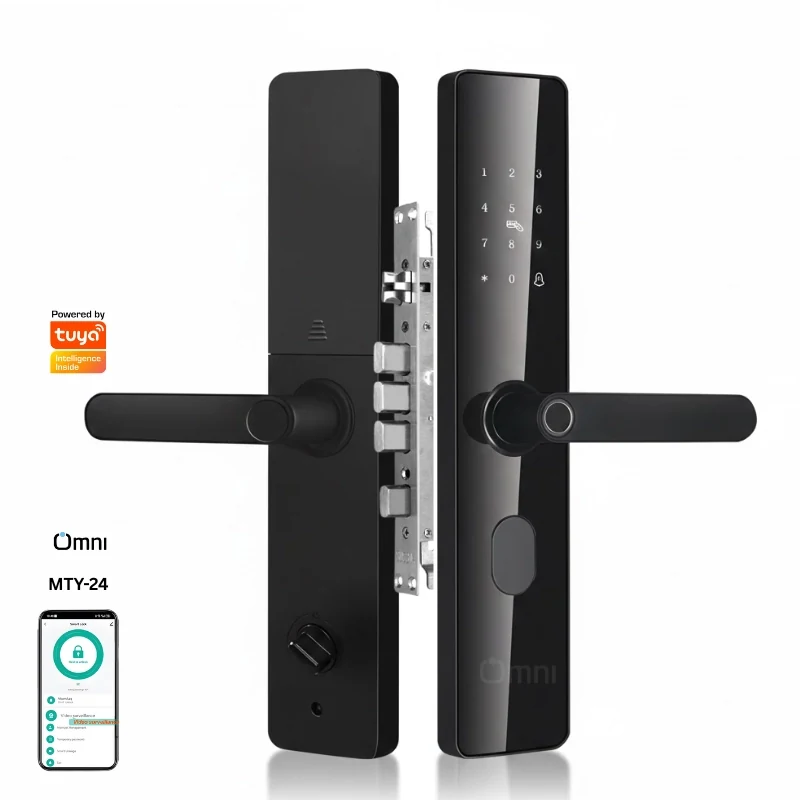
MTY24 fingerprint door lock
Fingerprint, PIN, card, WiFi app access and a mechanical key in one handle-style lock. Send door thickness and existing mortise photos before choosing this model.
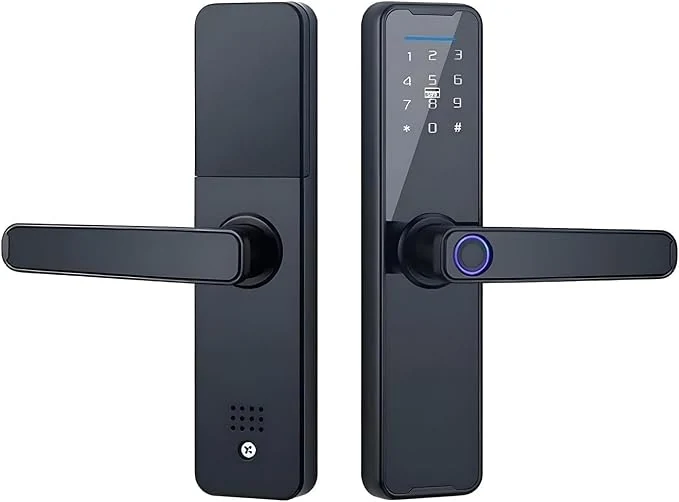
A handle-style smart lock with multiple variants on the Omni Smart store. Compare the access methods and app option for the exact variant, then confirm door preparation.
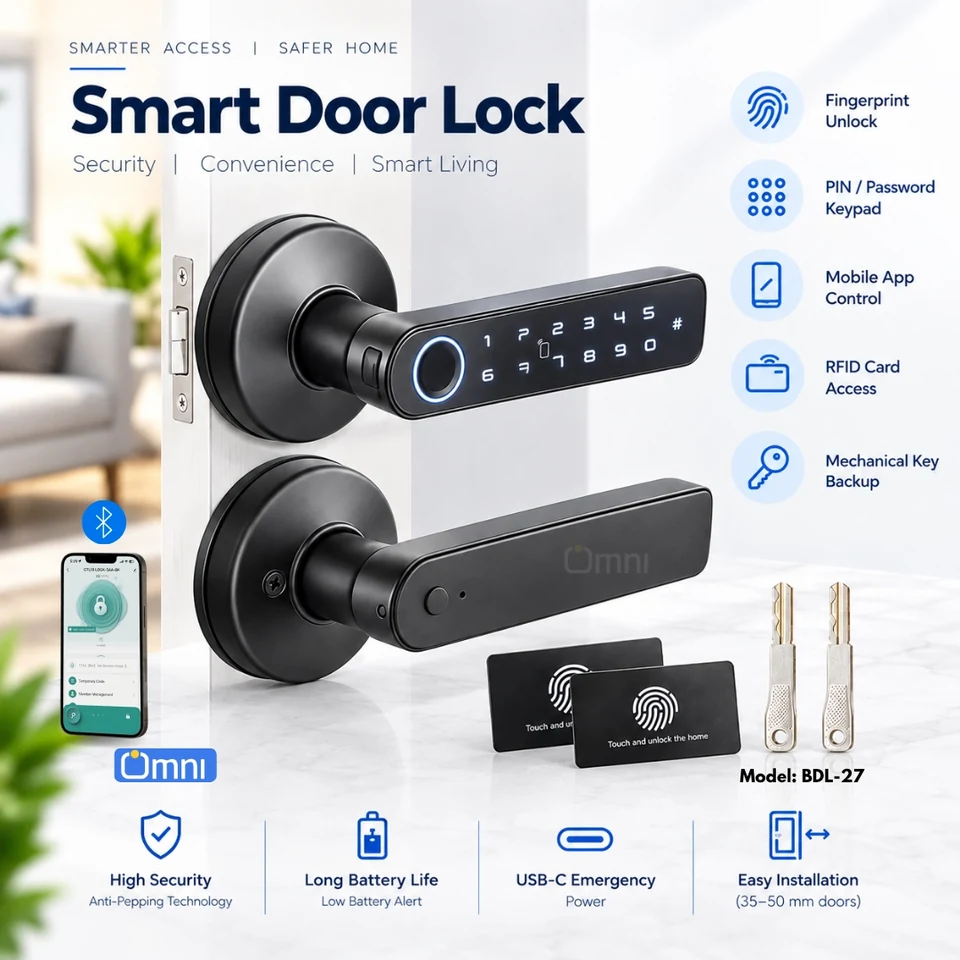
A compact handle format for suitable room doors, with fingerprint, keypad and card access shown in the product reference. Check door thickness, spindle and latch fit.
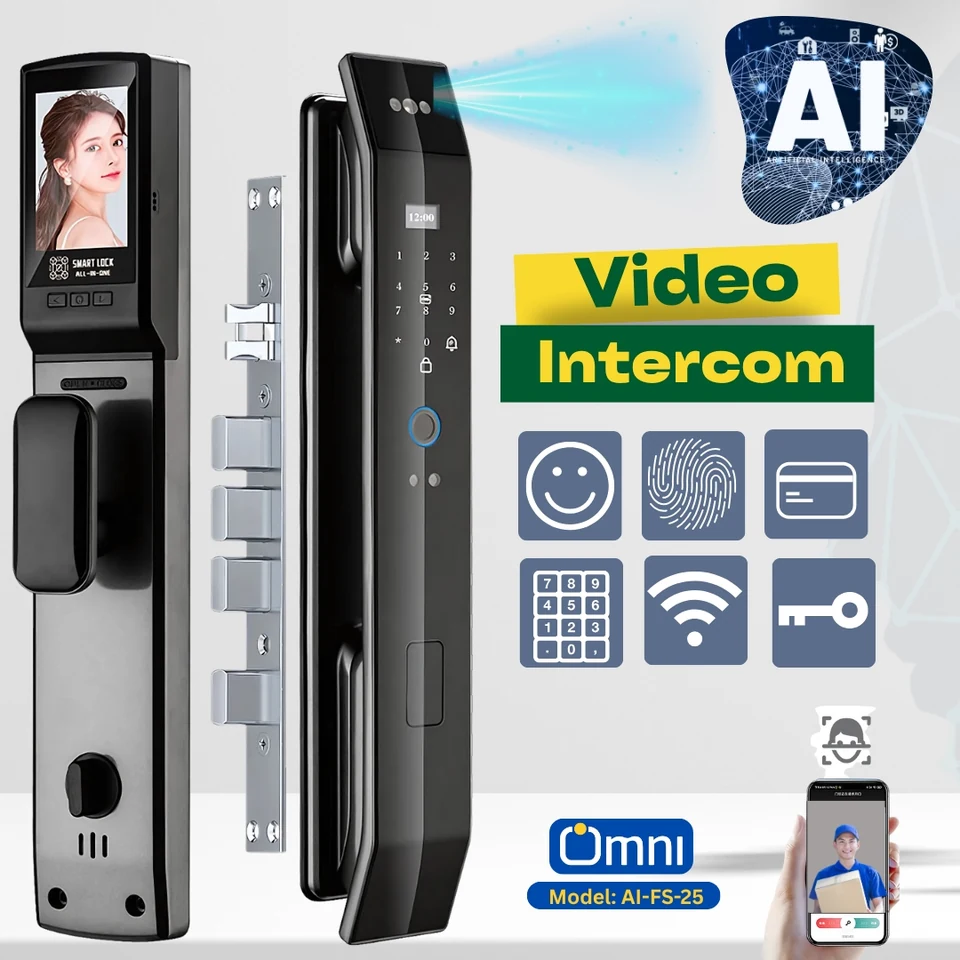
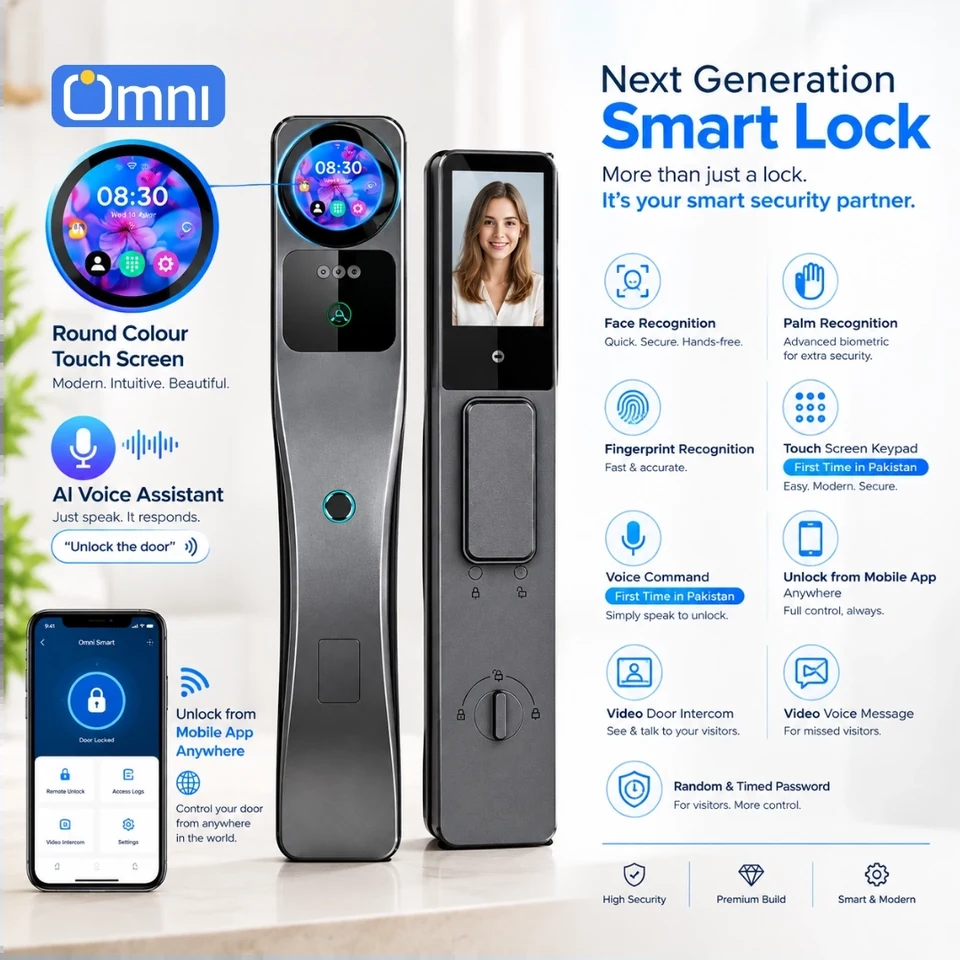
A face-recognition smart lock with video intercom and mobile viewing. For a main entrance, confirm the camera view, WiFi coverage, backup entry and exact installation requirements.
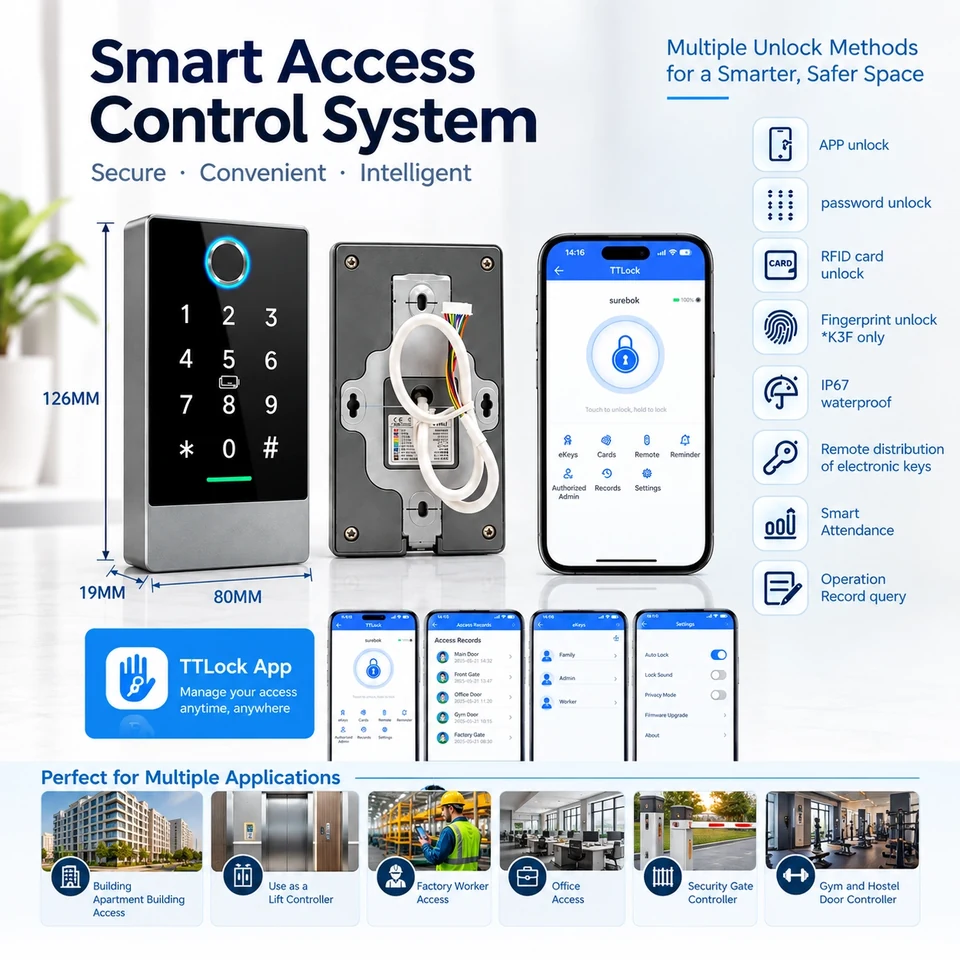
A fingerprint, RFID and keypad access controller for TTLock / TTHotel systems, not a complete handle lock. Specify the door, electric lock, power supply and exit-release arrangement together.
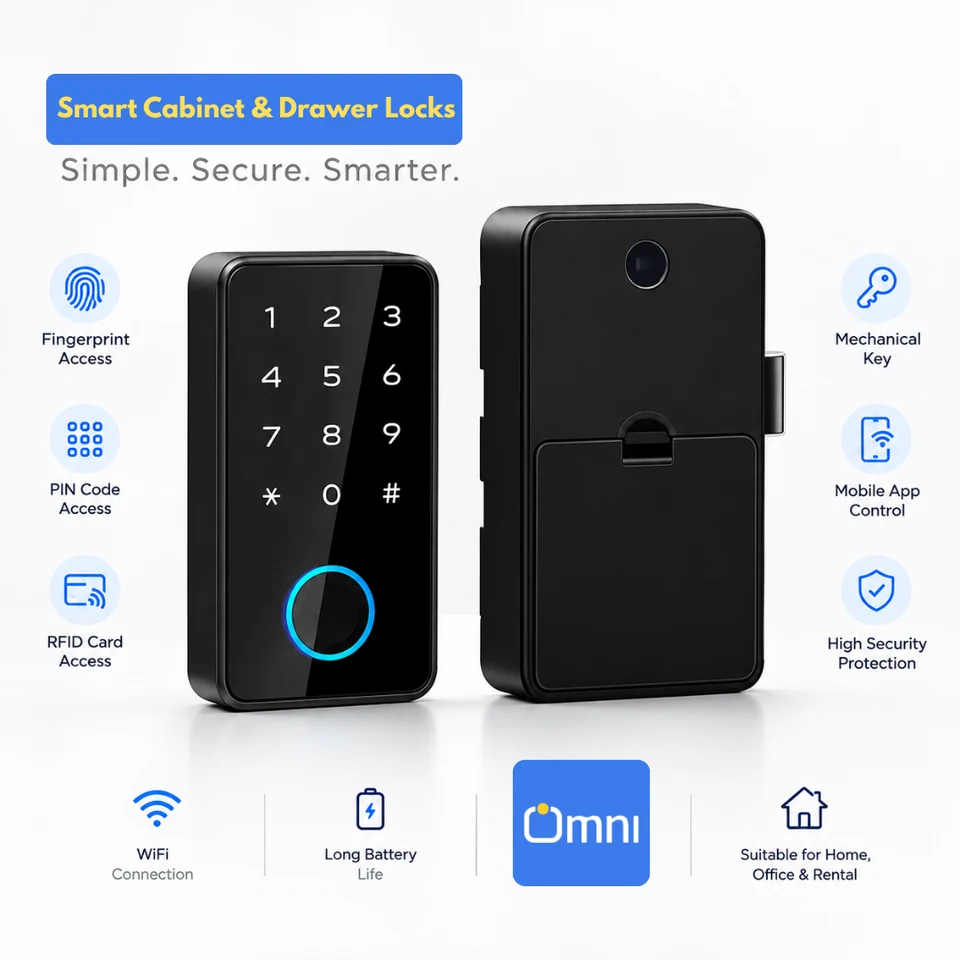
Furniture access hardware rather than a door lock. The store offers a price range for variants; confirm cabinet material, mounting clearance and your preferred access method.
The wrong lock on the right door still fails. These categories split the range by what the hardware is built to hold, so you can narrow the list before comparing features.
Main door and entrance gate locks
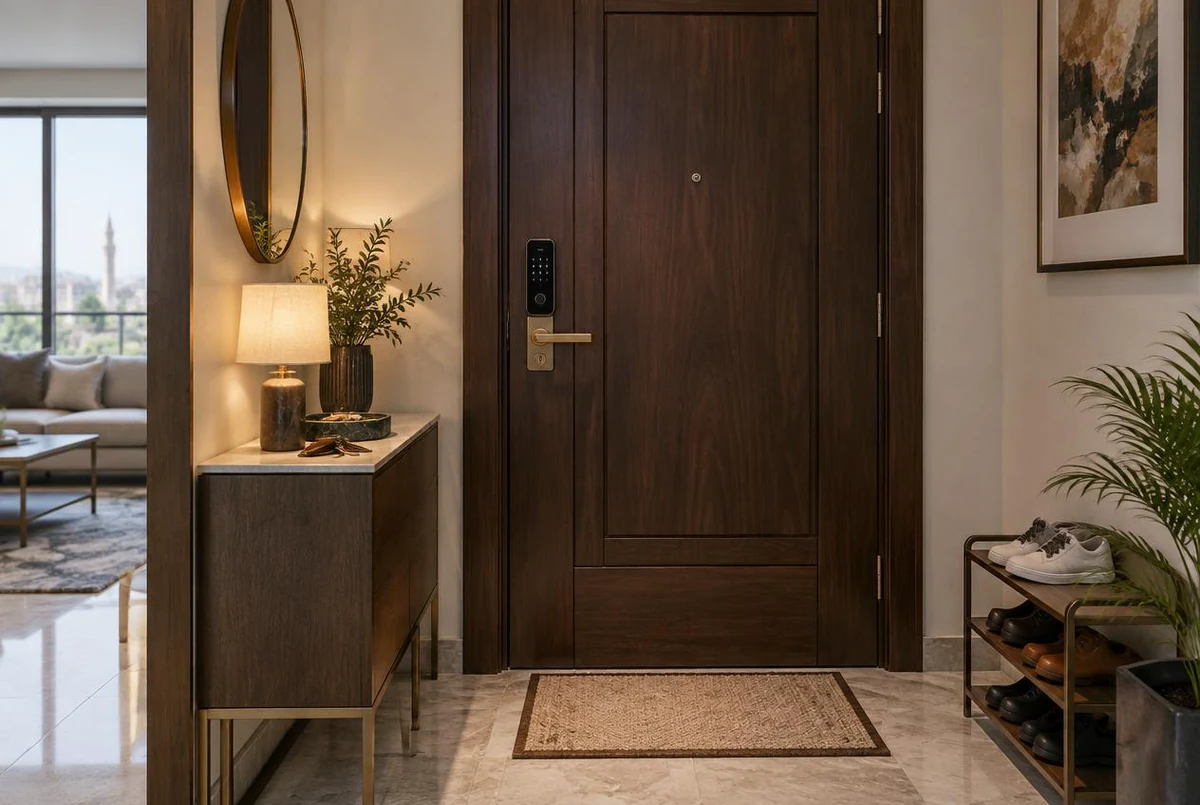
Carries the most use and the most weather. Rim bodies, mortise bodies and gate hardware, usually with a mechanical key kept as backup.
A family door, a guest room and a staff entrance have different access needs. Use these checklists when selecting hardware; scheduling, logs and remote control depend on the exact model, app and gateway.
Airbnb and short stay rentals
Guest turnover needs both scheduling and security planning. The useful lock is the one that gives each booking its own code for the exact check in and check out window, so a guest who has already left cannot walk in, and a cleaner gets access only on the days they work.
Temporary PIN codes per booking, issued from the phone rather than handed over in person.
Time windows for cleaners, maintenance and inspectors, separate from guest access.
Keypad first entry, because guests will not register a finger or carry a card for two nights.
Confirm which local entry methods work without internet, and whether remote permission changes need the lock or a gateway online.
A mechanical key or external power point held off site for the worst case.
Activity records you can check when a guest reports a problem with the door.
Compare the range of Airbnb lock options for units in Karachi, Lahore, Islamabad, Murree and Gilgit Baltistan, and the TT lock Airbnb smart door lock where a single unit needs both Wi-Fi and Bluetooth access.
Hotels, guest houses and serviced apartments
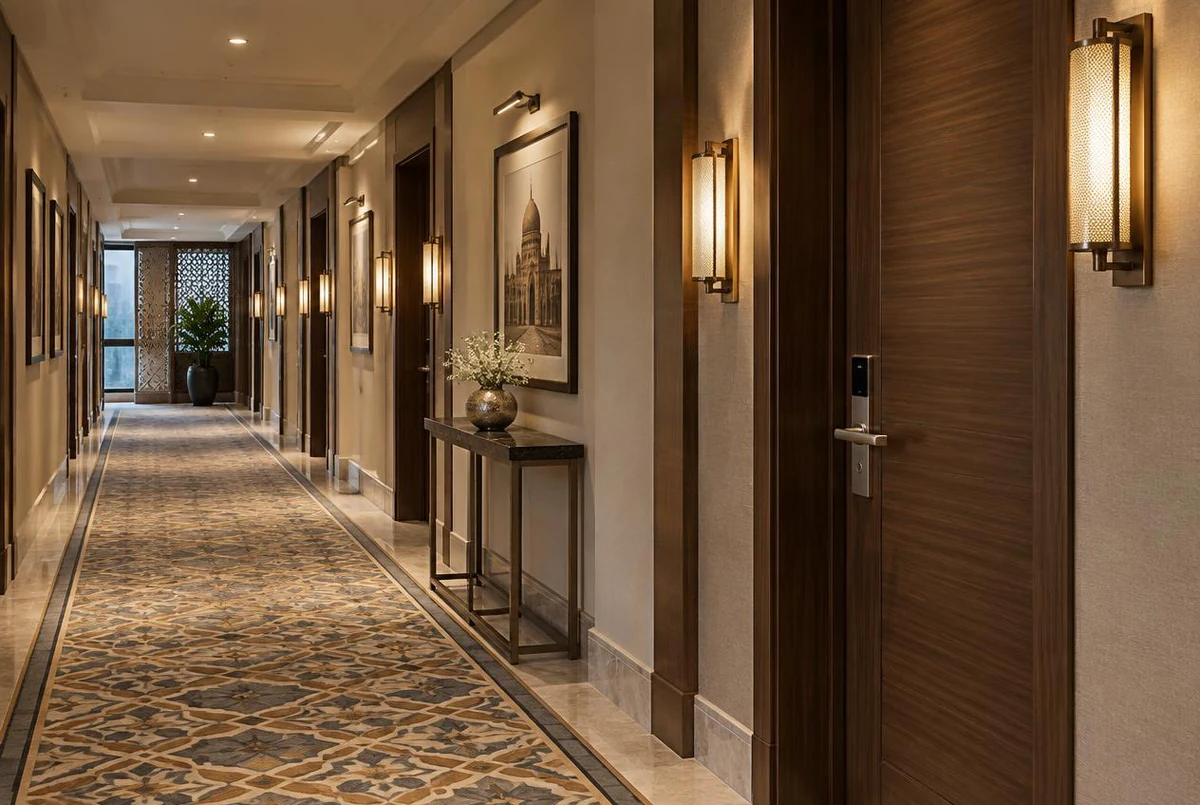
Hotel access needs a clear administration plan for reception and management. Reception has to issue a card at check in, reissue it when a guest loses it, expire it at checkout, and give housekeeping a schedule that does not let them into an occupied room at the wrong hour.
Card based room entry with per stay expiry and instant reissue for lost cards.
Housekeeping and management levels with different access rights and time limits.
Corridor, store room, back of house and plant doors planned alongside guest rooms.
Door furniture matched to standard hotel slab doors so the corridor keeps one appearance.
Power failure planning: how the room behaves, and how staff get in during an outage.
Commercial doors fail for boring reasons: high cycle counts, a strike that has been re cut by three contractors, and a reception area where visitors, couriers and staff all expect different treatment. Specify the door first, then the reader.
Employee access by role, with manager and director levels for restricted rooms.
Visitor and courier access that expires the same day rather than sitting in a list forever.
Separate control for back doors, stock rooms, server rooms and cash areas.
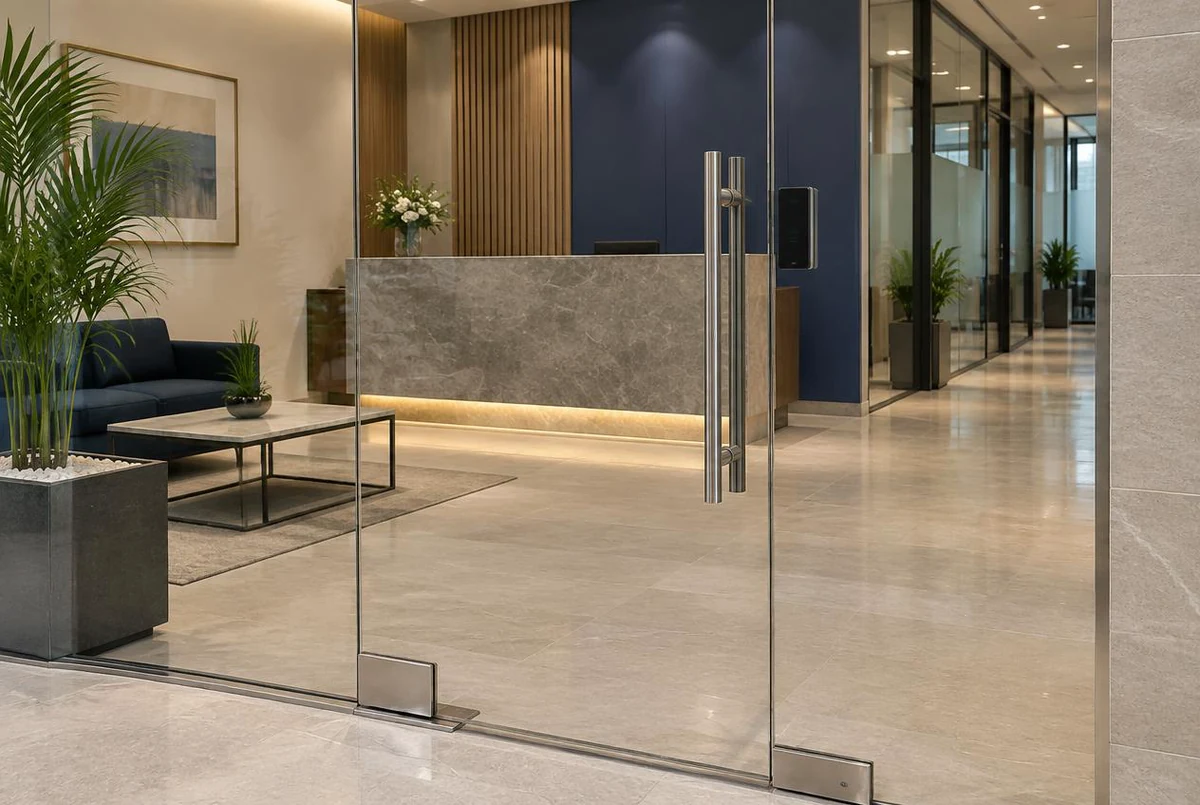
Shopfront glass doors handled with clamp hardware, distinct from the interior office doors.
Gate access planned apart from the pedestrian door, with its own power and release.
Activity logs reviewed by whoever manages the building, not only by the installer.
A smart lock is three decisions: the opening, the access method and the person who manages permissions. Getting the order right avoids returns, weak fittings and surprise lockouts.
01
Choose the opening
Wood, metal, glass, gate and cabinet doors each need different hardware. Measure thickness, backset, strike, hinge side and clearance before choosing a model.
02
Choose the access method
Fingerprint suits family doors. PIN codes suit rentals. Cards suit hotels and offices. Face, palm and app control add convenience, but each method changes how users are enrolled and supervised.
03
Manage permissions
Decide who can add users, expire codes, view activity and override in an emergency. A lock without a clear admin plan becomes a support problem after week one.
Illustrative planning sequence: door fit, entry methods and access permissions. Actual functions vary by model. No audio; playback starts only when you choose.
Presentation: finger, code, card, face or phone request.
Verification: local controller checks permission and time window.
Action: the mechanism releases access; activity recording depends on the model and system.
App ecosystems
Tuya and TTLock considerations before you buy
Not every connected lock speaks the same app language. The right choice depends on who manages access, how often codes change, and whether remote control is needed without Wi-Fi at the door.
Tuya & Smart Life
Useful when a home or small office already runs lights, sockets, sensors or cameras in one app. For locks, confirm whether the model uses Wi-Fi, Bluetooth or a gateway, and which functions stay available locally.
Common for rentals, hotels and access projects where issuing, expiring and auditing credentials matters more than home automation scenes. Some models use a gateway for remote administration across many doors.
Suitable for guest codes and staff cards.
Check gateway coverage for corridors and basements.
Confirm multi property admin if you manage several units.
Will the app be used by one owner, a reception desk, or a property manager handling several units?
Does the door need remote opening, or only local entry with periodic audit records?
Are temporary credentials created by staff, guests, cleaners, or automated booking tools?
What happens if the internet drops, the battery falls low, or an administrator leaves the project?
Buying guide
Start with the door, then choose the lock
Most smart lock problems begin before the hardware arrives. A door that is warped, thick, shallow, glass framed, or already cut for an old handle can change which models fit and how they should be installed.
Door fit checks
Measure door thickness, backset, strike size, hinge side and edge clearance.
Note whether the door is wood, metal, glass, sliding, swing, or a main gate.
Check if the existing handle, deadbolt or rim cylinder can be reused or must be replaced.
For glass doors, confirm frame depth and whether clamp hardware is needed.
For gates, separate pedestrian access from vehicle access before choosing power and release logic.
Access and admin checks
Decide which credentials matter: fingerprint, face, palm, PIN, card, app or mechanical key.
Confirm how many users can be stored and whether roles can be limited by time.
Ask if guests, cleaners, staff or reception can receive temporary access without owner approval each time.
Review how activity logs are stored, exported and checked.
Confirm what happens when Wi-Fi fails, batteries run low, or the main administrator is unavailable.
Installation readiness
Send clear front, edge and strike photos before ordering, not after the parcel arrives.
Check power availability for electric gates, controllers and network devices.
Plan spare keys, external power points and a manual override method.
Keep door preparation and lock testing as separate steps so faults are easy to identify.
For hotels and offices, label doors and readers before commissioning the system.
Warranty and after-sales support
Ask Omni Smart to confirm the warranty terms for your selected model, including coverage, exclusions and installation support, before ordering.
Request guidance
Send the door details, get a practical lock shortlist
Tell us the property, door type and access you want. The form prepares a WhatsApp message with your answers so you can review it before sending.
Useful for homes, apartments, offices, shops, hotels, Airbnb units, glass doors and gates.
Include photos on WhatsApp if you want a closer fit check.
No account needed. The enquiry opens in WhatsApp with the details already filled.
Real world questions
Questions buyers ask before ordering a smart lock
These answers are general selection guidance. Final fit, app behavior and access rules depend on the exact model, door preparation and admin setup.
Which lock is best for a main door?
A main door usually needs a lock with a strong bolt, a reliable backup method and an entry style the household will actually use. Fingerprint and PIN combinations are common. Rim style units suit many wooden and metal doors, while mortise or handle based units depend on the existing cutout. Send the door photos and measurements before choosing.
Which lock works for hotels?
Hotel rooms normally use card based entry because reception can issue, reissue and expire credentials from a central process. Housekeeping, maintenance and management should have different rights. For a small property, a managed app based lock may be enough. For many rooms, plan the encoder, door furniture, power backup and audit trail together.
Which lock suits an Airbnb or short stay rental?
Short stays benefit from temporary PIN codes, time limited cleaner access and activity records. Guests rarely want to register a finger or carry a card for two nights, so keypad first entry is often the practical choice. If the building has weak internet, confirm which functions continue locally.
Can a smart lock work without Wi-Fi?
Many models keep local entry working through fingerprint, PIN, card or mechanical backup when the internet is down. Remote viewing, temporary code delivery and cloud logs may pause until connectivity returns. The exact behavior depends on whether the lock uses Wi-Fi, Bluetooth, a gateway or a combination.
What is the difference between Tuya and TTLock apps?
Tuya based setups are often chosen when a lock sits inside a wider smart home app with lights, sensors or cameras. TT lock style setups are often chosen when access administration matters more, such as guest codes, staff cards, gateways and multi door control. Compare the admin workflow before comparing the hardware.
Are glass door locks different from wooden door locks?
Yes. Glass doors usually need clamp style hardware, frame aware mounting and a strike arrangement that does not crack or stress the panel. Wooden and metal doors are measured by thickness, backset, edge and existing cutouts. A lock intended for one opening should not be assumed to fit another.
Do gate locks need separate hardware?
Gates have different weather exposure, alignment movement, strike loads and power paths. A gate may need its own actuator, weatherproof reader, release device and cable plan. Pedestrian gates and vehicle gates should be assessed separately, even when they sit next to each other.
How much does installation depend on door preparation?
A lot. Poor alignment, a worn strike, a shallow backset, an uneven edge or a heavy door can make an otherwise suitable lock feel faulty. Good installation checks the door closure first, then fits the lock, then tests every access method under normal use.
What details should I send on WhatsApp for a quote?
Send your city, property type, door material, approximate thickness, photos of the front, edge and strike, number of users, preferred entry method and any deadline. If the door is glass or a gate, include frame details and whether power is available near the opening.
What happens when the battery dies?
Battery behavior varies by model. Some locks give early warnings and support a mechanical key or external power point. Others depend more heavily on app administration and backup credentials. Confirm the low battery plan before purchase, especially for sole entry doors, hotel rooms and rental units.